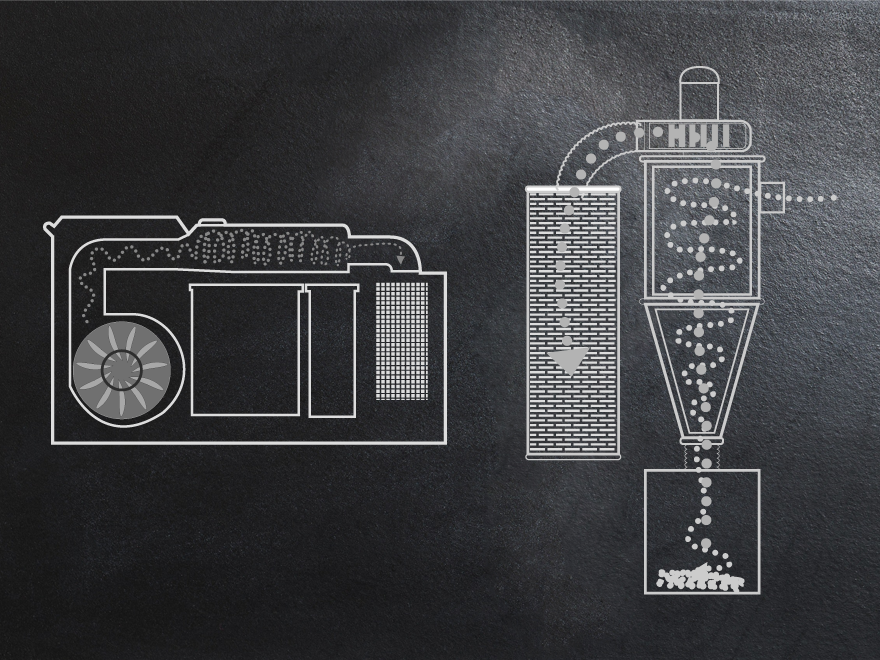
Cyclone separators work by utilizing the momentum of incoming particulates to mechanically separate materials of different densities--similar to how a centrifuge works. For woodworking dust collection, the inbound air velocity is used to literally spin the dust out of the air.
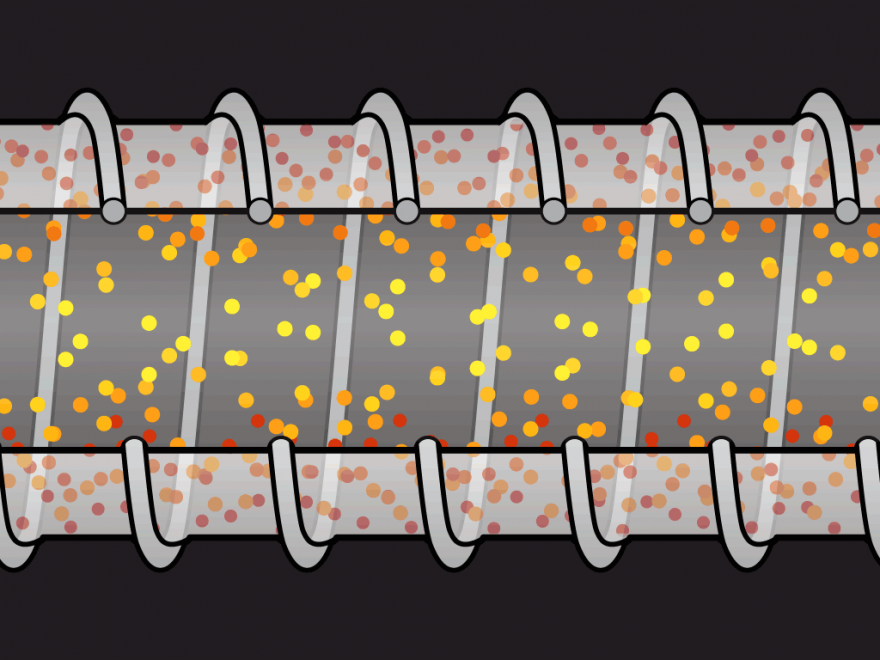
Two factors ultimately govern the performance of your dust collector: airflow and static pressure. Learn about their inverse relationship and how they're influenced by ducting design, elevation, and more.
Pipe diameter plays a crucial role in airflow performance as smaller sizes increase air resistance, requiring higher velocities to maintain an equivalent CFM rate.
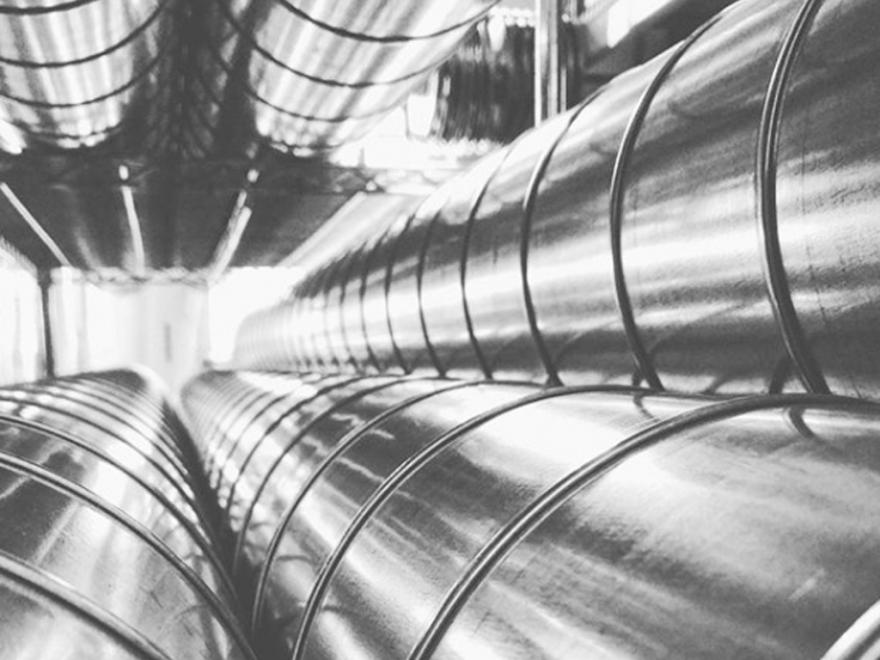
Many dust collection systems suffer due to poor ductwork designs. Read on to learn how to account for tool size, length of runs, blast gates, and more.
Oneida Air Systems is the first dust collection manufacturer to promote "Actual CFM" ratings which reflect real-world airflow performance - not the vastly inflated "Free-Fan Ratings" of competitors - and we guarantee that our specs are based on actual testing performance data.