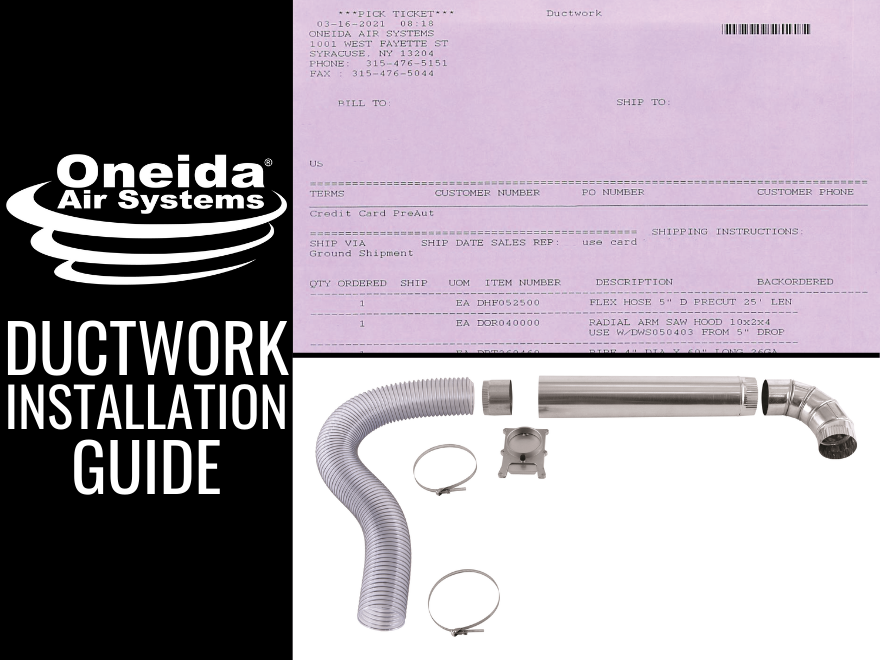


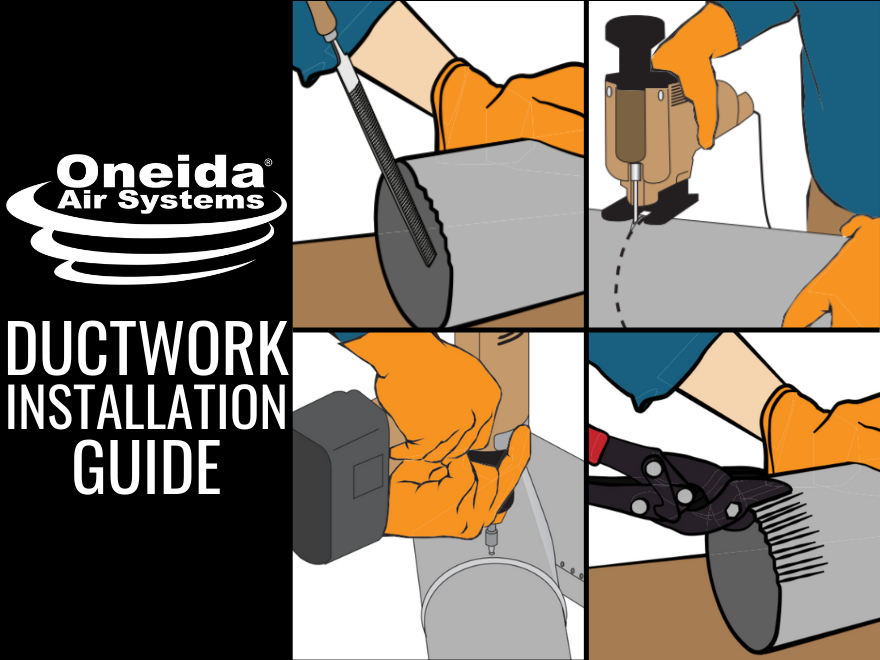
The dust collector itself is only one part of an efficient dust collection system. An airtight and optimized ductwork layout is essential to maximize your shop's performance. Oneida Air Systems has put together a guide designed to provide a basic understanding of dust collection airflow and the components required to successfully complete an entire ductwork installation. Each section of this blog series will take you through the processes of preparing, assembling, and connecting your ductwork.
As with any project, it is important to plan ahead to ensure a successful ductwork installation. The first step is making sure you have the right tools for the job! We've put together this list of the tools we recommend to make the assembly process as simple, safe, and smooth as possible.

1. Tin Snips
Tin Snips are ideal for reducing the diameter of light duty ductwork to insert into similar size pipe. Re-use scrap lengths of pipe cut-offs, and make those stubborn pieces fit together easier. They also can be used to cut galvanized ducting.
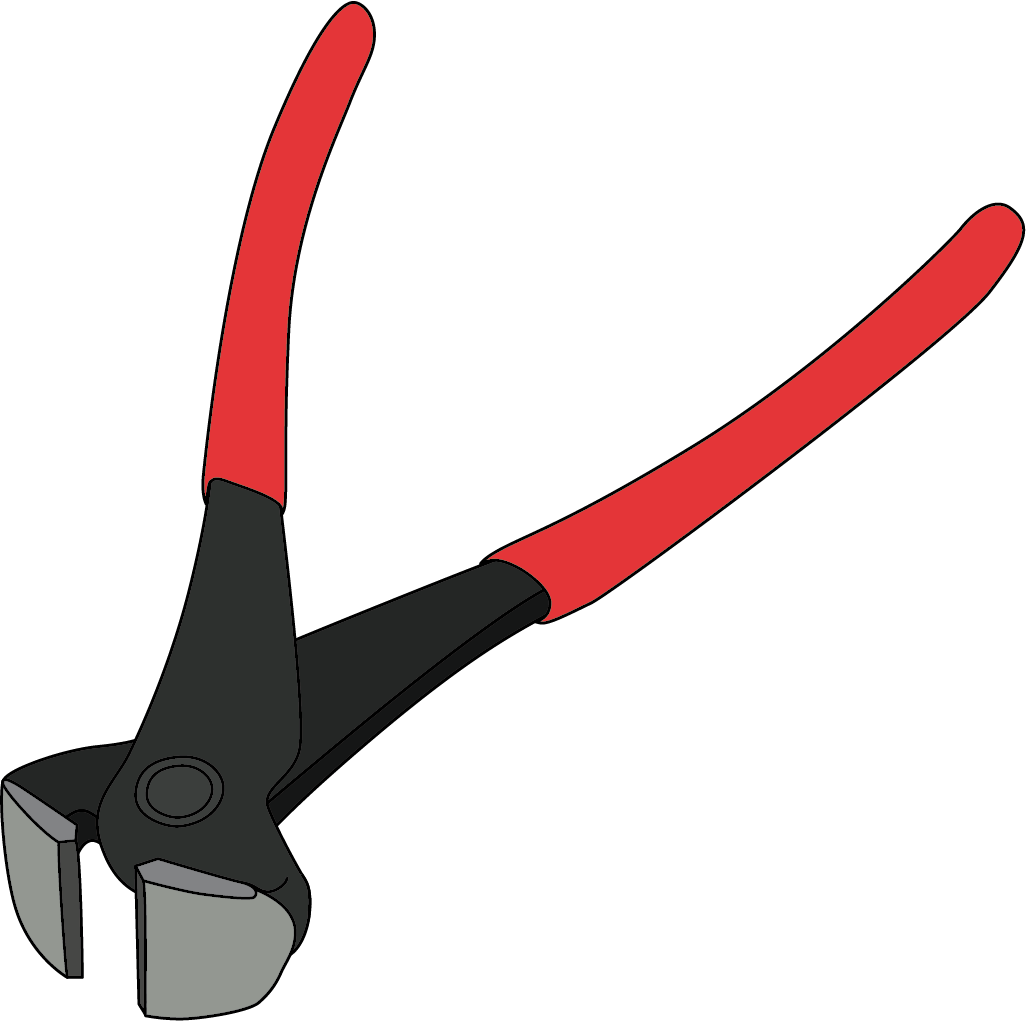
2. Wire Cutters
Wire Cutters are used to cut the reinforcing wire within ducting hose. They may also be used to trim off excess length from adjustable hose clamps.

3. Marking Pen
You will want a general purpose pen for marking pilot holes, cutting lines on pipe, using a guide line when modifying adjustable elbows, etc.
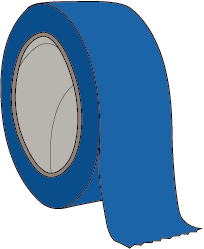
4. Painter's Tape
Painter's Tape can be used as an alternative to a marking pen while making radial modifications to adjustable elbows.
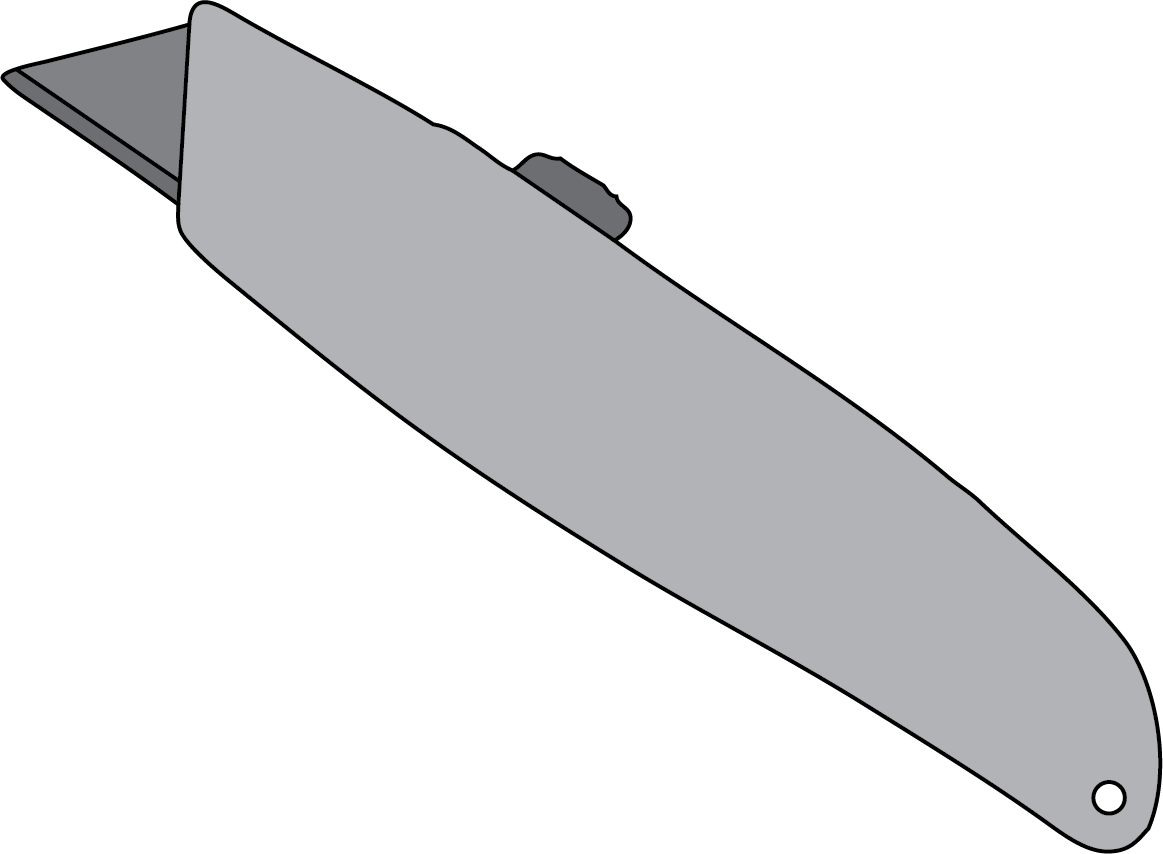
5. Box Cutter or Scissors
You will need a general purpose cutter for unboxing components, cutting off lengths of tape, and cutting through vinyl flex hose.
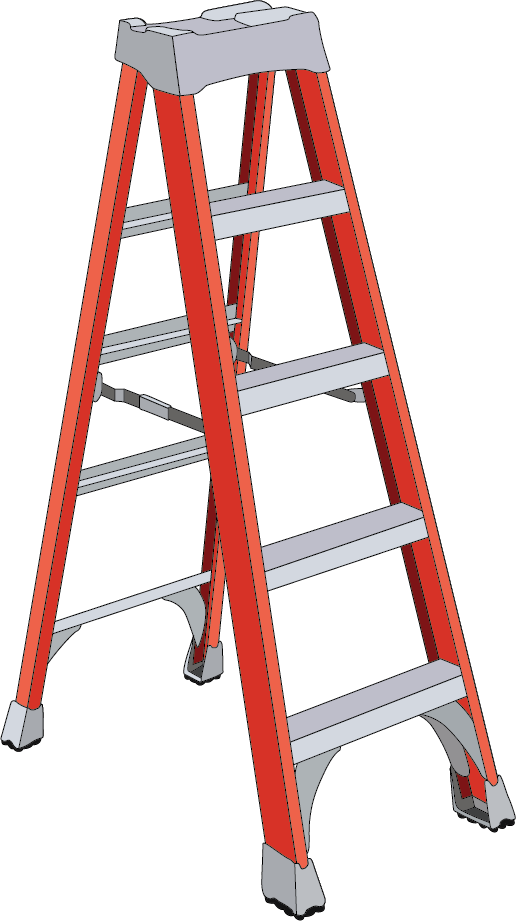
6. Ladder
A Ladder may or may not be required depending on your ceiling height. A wide step ladder is recommended when lifting up long and heavy ductwork fittings.

7. Power Drill
A Power Drill is required for drilling pilot holes through sheet metal ducting so that ductwork components can be permanently secured using screws and rivets. It is also convenient to use when installing strapping and hangers.
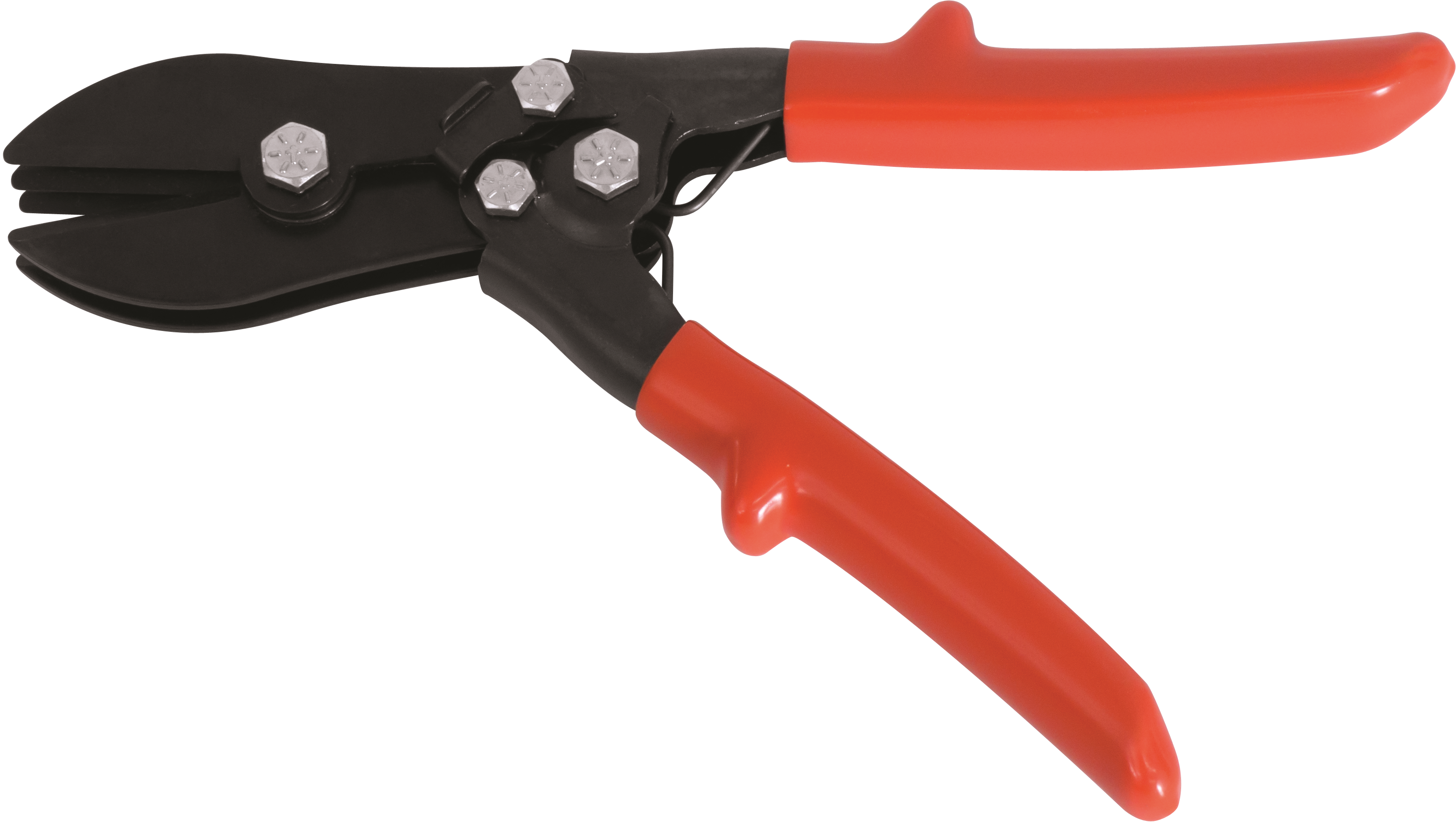
8. Crimper (Item #: ATC000000)
A Crimper is ideal for reducing the diameter of round duct and sheet metal pipe to insert into similar size pipe. Re-use scrap lengths of pipe cut-offs, and make those stubborn pieces fit together easier.
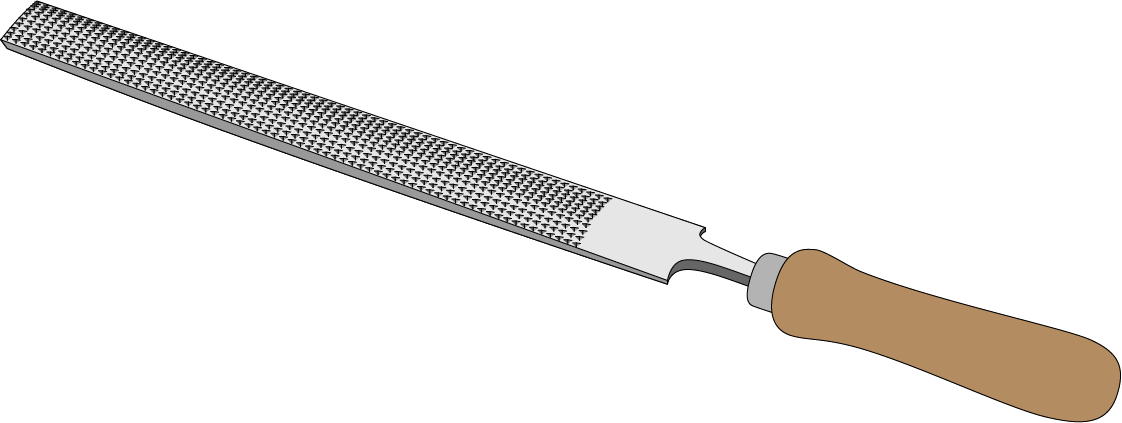
9. File
A File can be used to ensure that any cuts you make are clean and free of burrs.
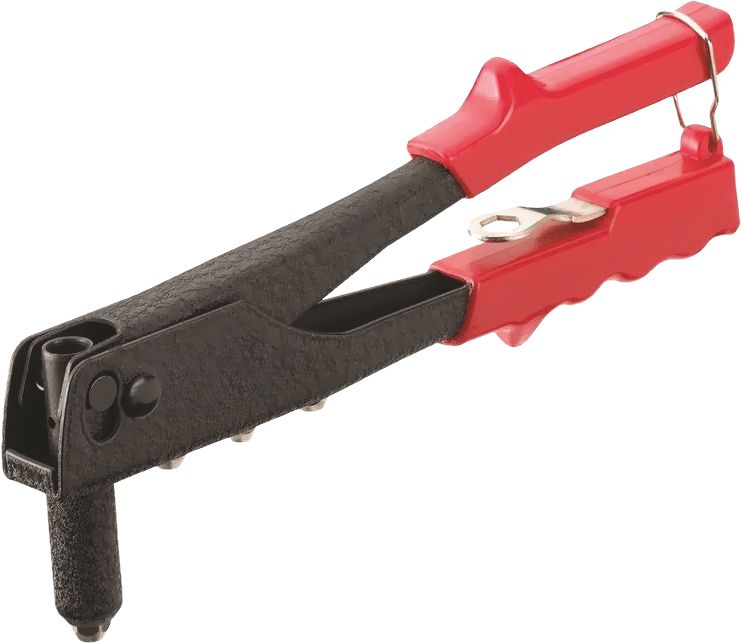
10. Pop Rivet Gun (Item #: ATR000000)
A Pop Rivet Gun is used to drive rivets to secure ductwork components together.
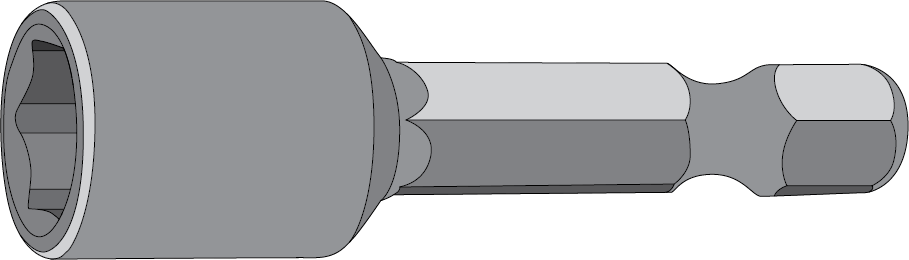
11. Hex Driver Bit
A Hex Driver Bit is used to rapidly open and close adjustable hose clamps as well as drive self tapping screws to secure ductwork components together.
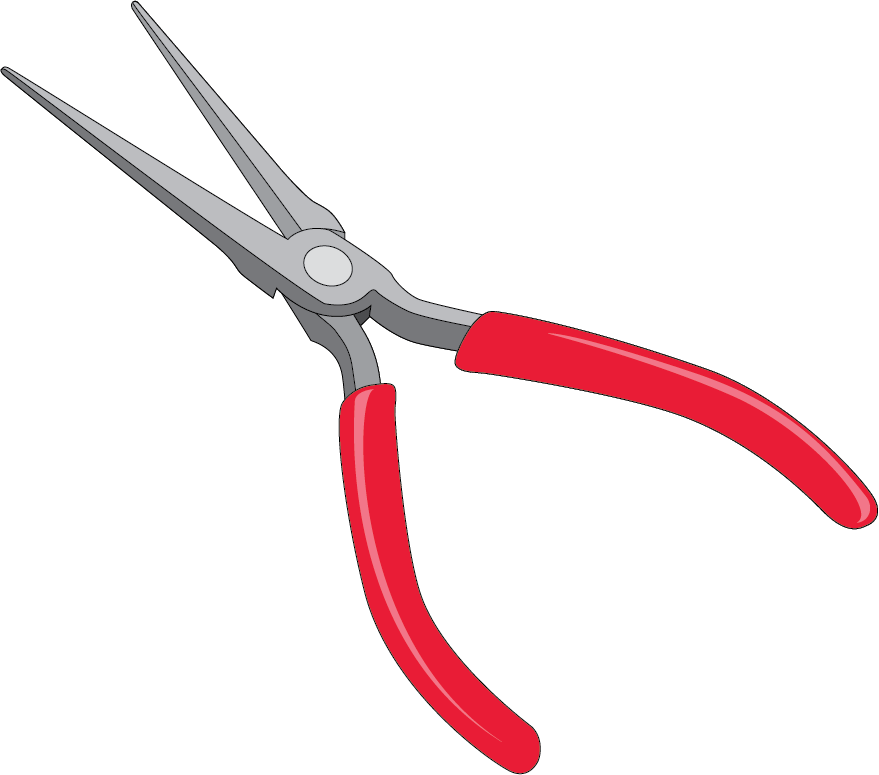
12. Needle Nose Pliers
Needle Nose Pliers are used to pull the end of flex hose over crimped pipe, cyclone ports, and the dust exhaust ports on tools.

13. Cutting Device
There are several options for cutting galvanized or steel ducting. Whether you use a jigsaw, reciprocating saw, nibbler or other method, it is important that the cut is clean and that the pipe is not crushed into an oval shape during cutting. Follow all manufacturer safety guidelines for your cutting tool.

14. Caulk Gun
A Caulk Gun is used to cleanly apply silicone sealant to ductwork.

15. Large Rubber Bands
Large Rubber Bands can be used to hold together snap lock piping during assembly. This is especially useful when assembly is being done by a single person.
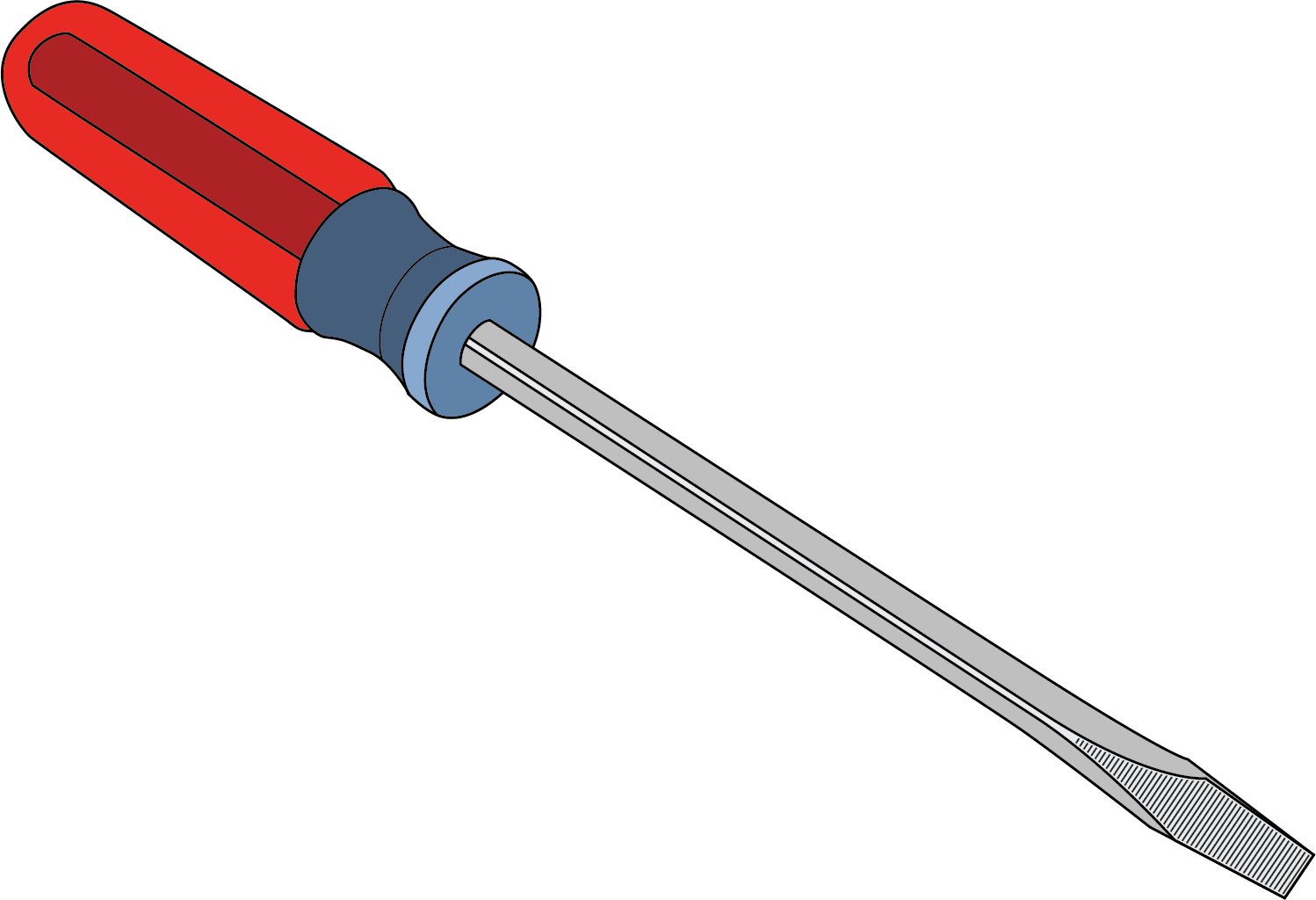
16. Flat Head Screwdriver
A Flat Head Screwdriver can be used to pry apart stuck ductwork fittings, or widen the seal on snap lock fittings to aid in installation.

17. Level / Plumb Bob
Most duct runs should be level and all vertical runs should be plumb.

18. Safety Equipment
Work Gloves: Sheet metal can be sharp and burrs are possible.
Eye & Ear Protection: For use whenever cutting pipe.
Safety Helmet: To avoid injury from falling parts or tools.
What's Next?
Once you've gathered the right tools for the job, you're ready to start unpacking your ductwork. Read about the check-in process here »
Looking for more help with your ductwork installation? All of our large ductwork orders and ductwork kits now include a copy of our complete Ductwork Installation Guide, which goes into detail on each step of the process.